What Inspectors Look for in Commercial Restrooms (and How to Prepare)

For facility managers, building owners, and operations teams, restroom inspections can be a source of stress—or a routine checkbox—depending on how well the space is planned and maintained. Inspections don’t just focus on cleanliness; they evaluate safety, accessibility, compliance, and functionality. Falling short can lead to failed inspections, fines, or costly last-minute upgrades.
The good news? Most inspection issues are predictable and preventable, especially with Saniflow’s hygienic restroom solutions. Below is a practical breakdown of what inspectors typically look for in commercial restrooms—and how facilities can prepare proactively.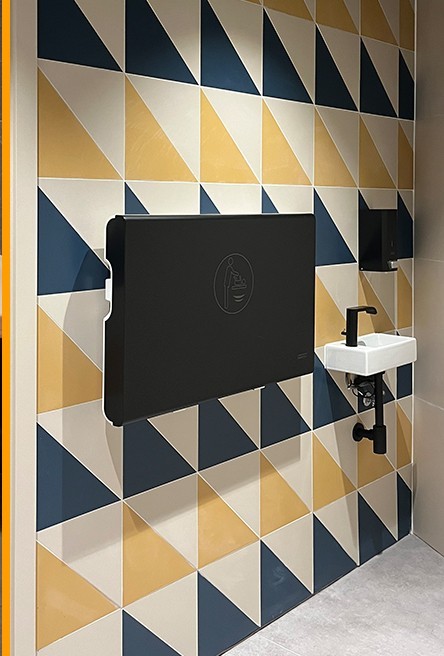
1) ADA Compliance & Accessibility
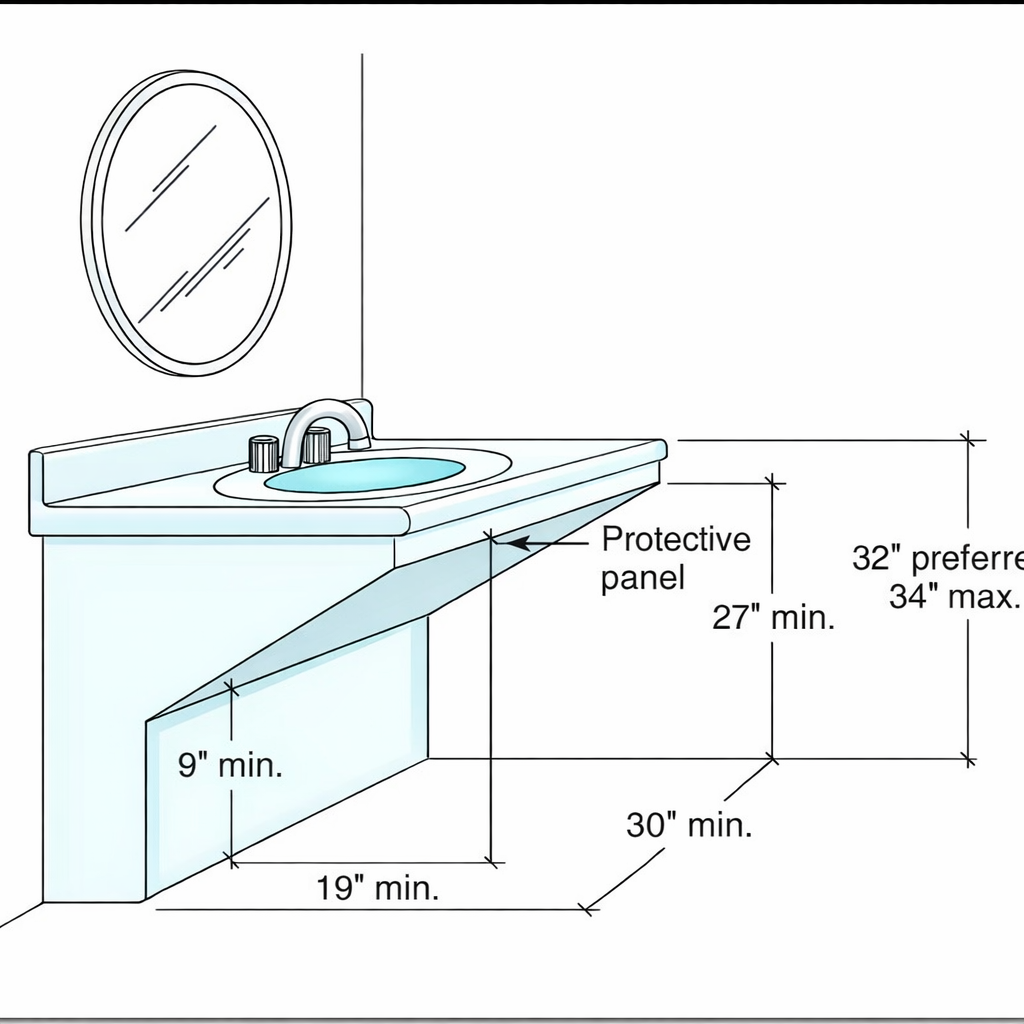
Accessibility is one of the most critical inspection categories. Inspectors verify that restrooms meet ADA requirements so they are usable by all occupants.
What inspectors check
- Proper clearance around toilets and sinks
- Correct mounting heights for fixtures
- Secure grab bars and accessible dispensers
- Clear, unobstructed pathways
How to prepare
- Confirm fixture heights and spacing meet ADA standards
- Replace outdated or improperly mounted accessories
- Use wall-mounted, commercial-grade fixtures designed for accessibility
Even minor deviations can trigger violations, making this an essential area to review before any inspection.
2) Hygiene & Touchless Operation
In a post-pandemic world, hygiene expectations are higher than ever. Inspectors increasingly look at how facilities are able to reduce touchpoints and cross-contamination risks.
What inspectors check
- Functionality of soap dispensers and hand-drying methods
- Cleanliness of high-touch surfaces
- Evidence of leaks, splashing, or standing water
How to prepare
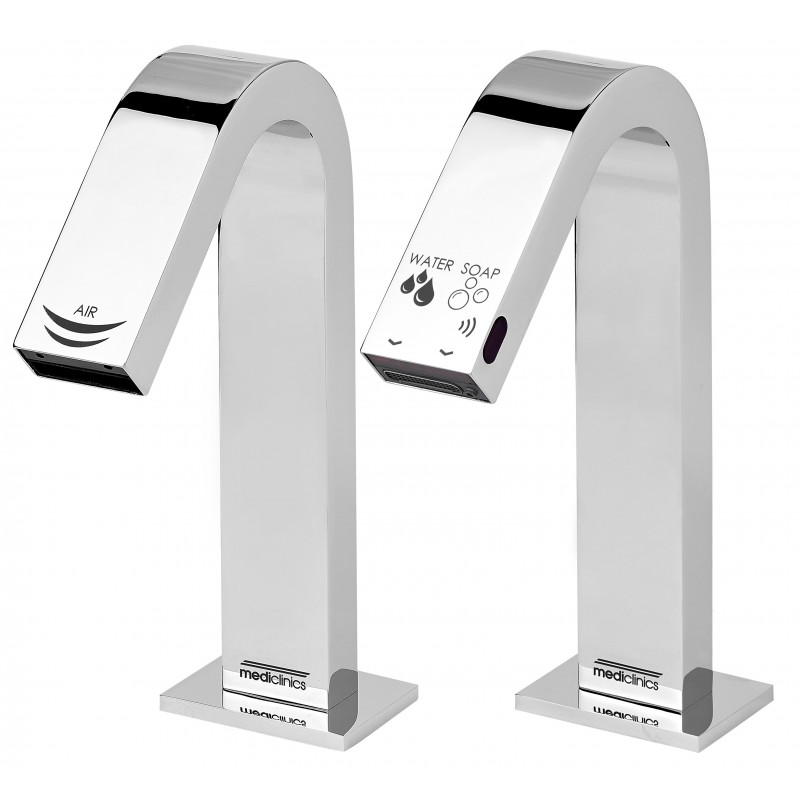
- Install touchless hand dryers, faucets, and soap dispensers.
- Ensure all fixtures are fully operational and well-maintained
- Replace broken or outdated manual components
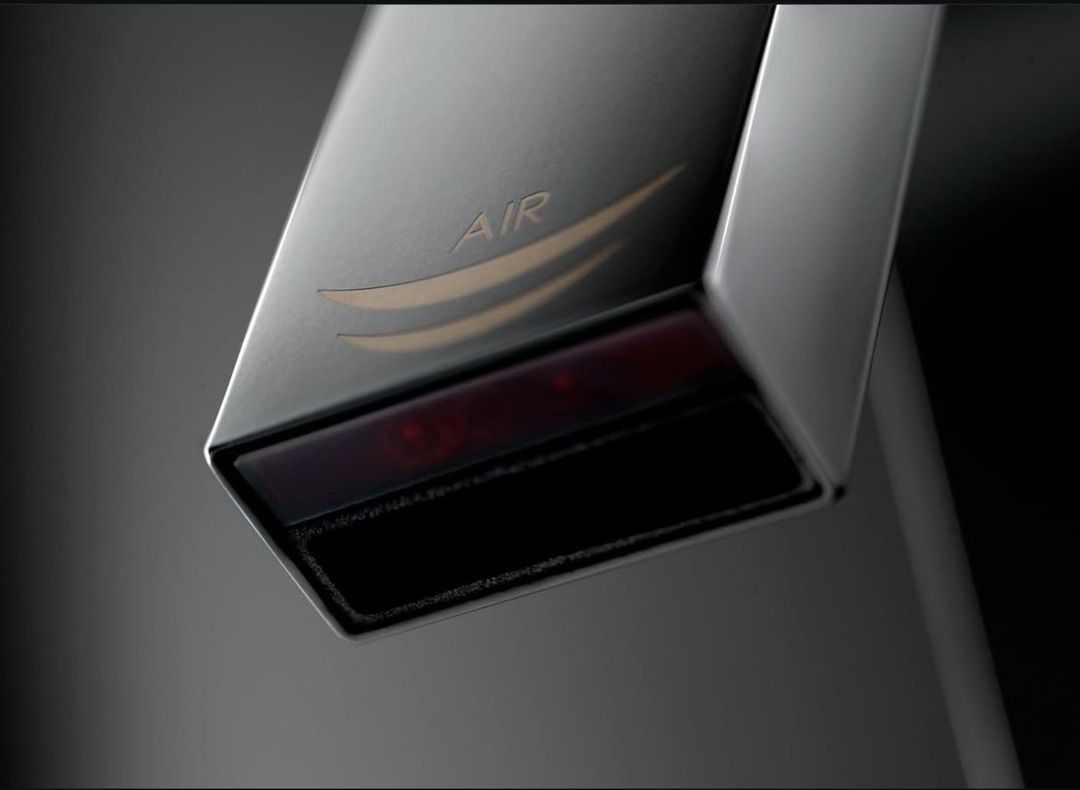
Saniflow’s touchless solutions, like the All-In-One Faucet System not only support inspections but also improve daily user experience.

3) Hand-Drying Methods & Waste Control
Inspectors pay attention to how restrooms manage cleanliness and waste, particularly around hand-drying areas.
What inspectors check
- Overflowing trash or paper towel debris
- Water accumulation near sinks
- General cleanliness and ease of maintenance
How to prepare
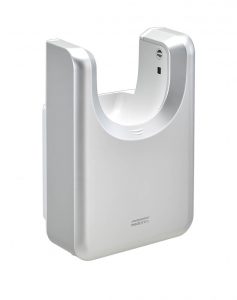
- Replace paper towels with high-speed hand dryers, like Saniflow’s Machflow or Speedflow Plus to eliminate waste
- Ensure hand dryers are properly installed and functioning
- Address drainage or splash issues near sinks
Hand dryers help reduce clutter, maintenance demands, and sanitation concerns—all of which inspectors notice.
4) Baby Changing Stations & Family-Friendly Compliance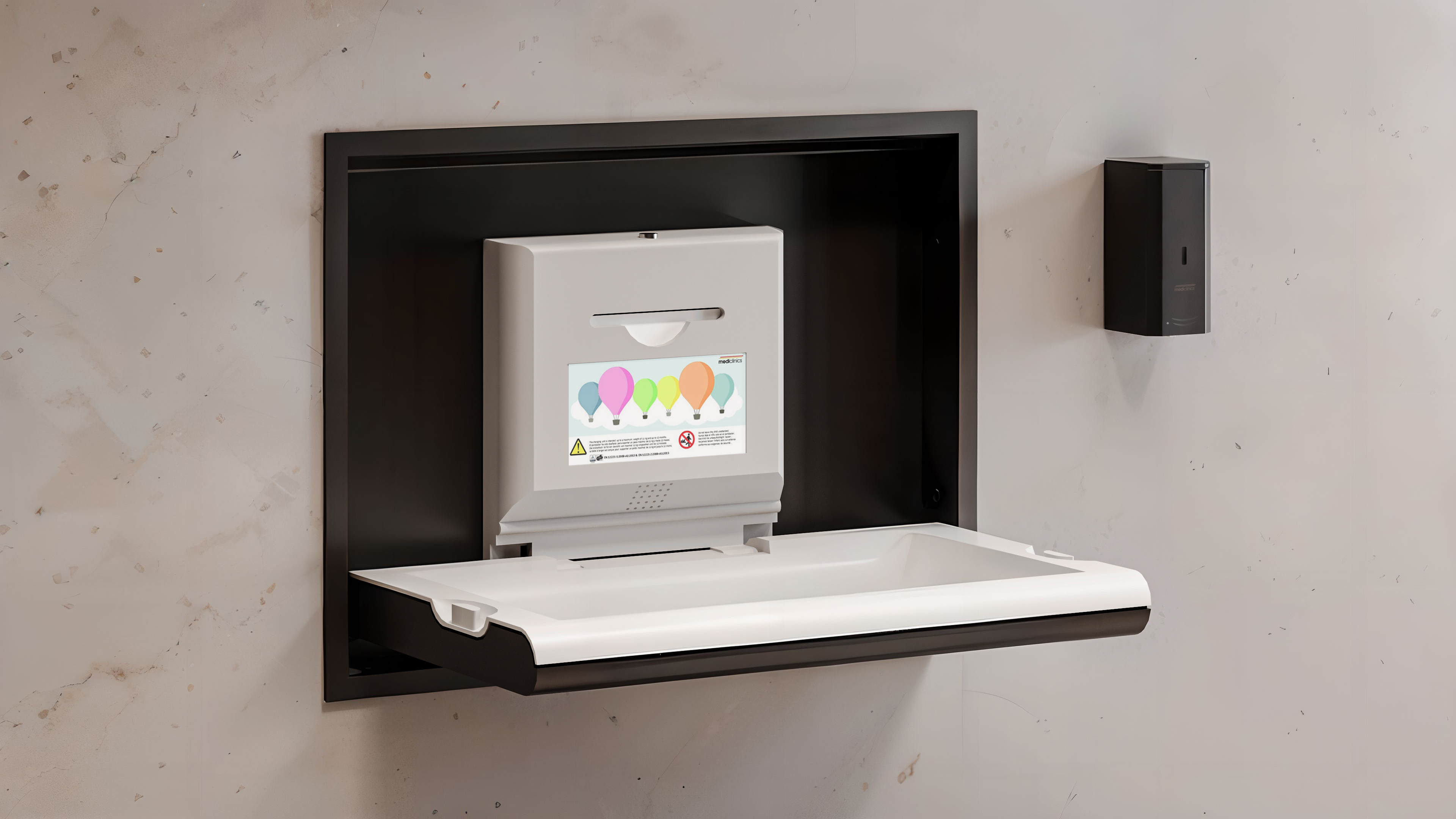
Baby changing stations are typically required in commercial facilities, however now more than ever, most building codes and facilities are requiring them to be in both male and female gendered restrooms. and are frequently reviewed during inspections.
What inspectors check
- Presence of baby changing stations where required by code
- Proper mounting height and load capacity
- Cleanliness and safety condition
How to prepare
- Install commercial-grade baby changing stations
- Verify compliance with local and state regulations
- Include changing stations in routine maintenance checks
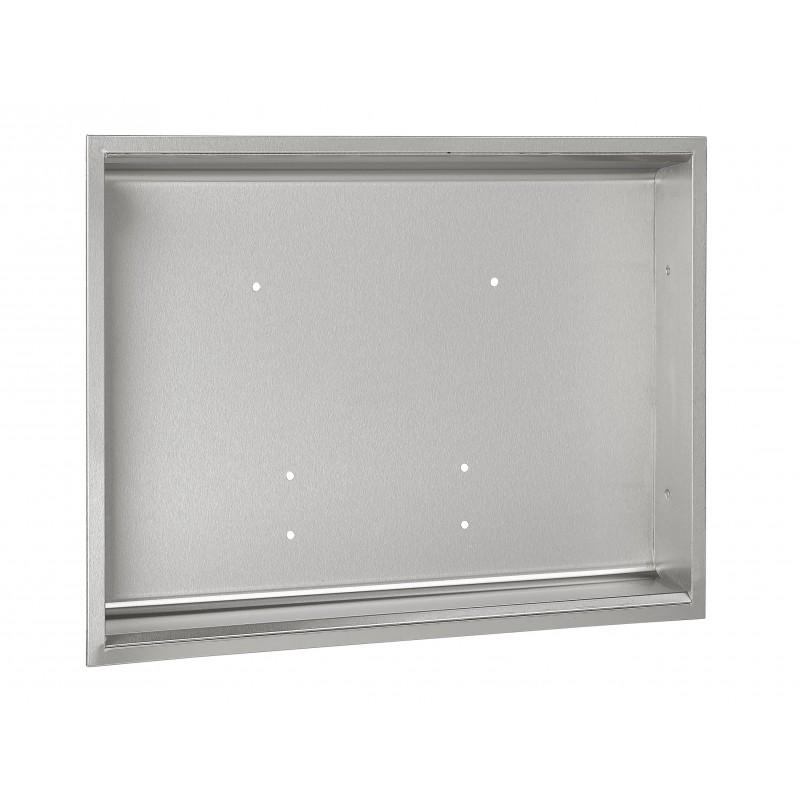
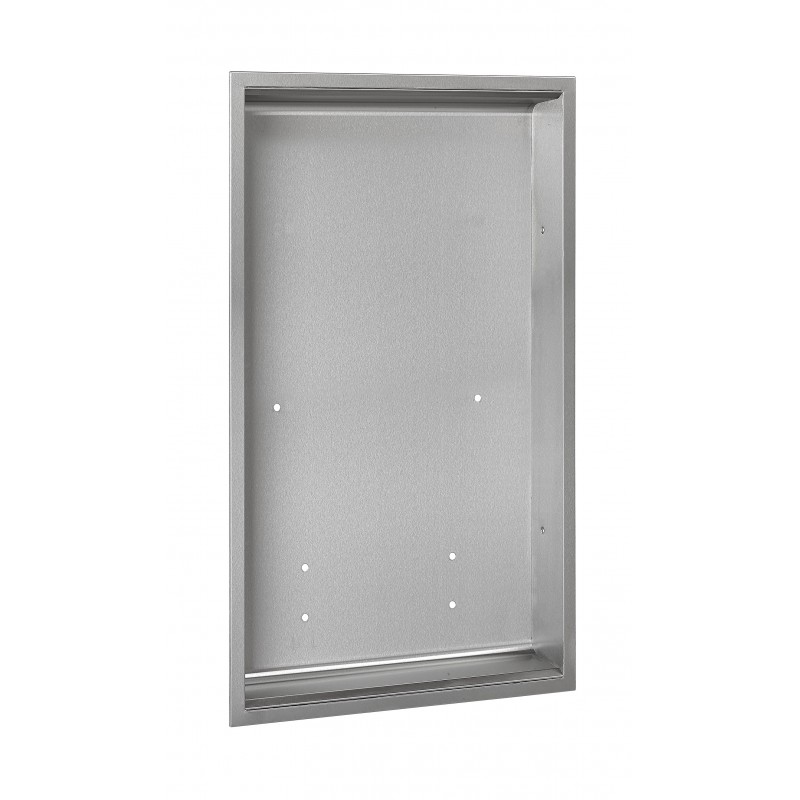
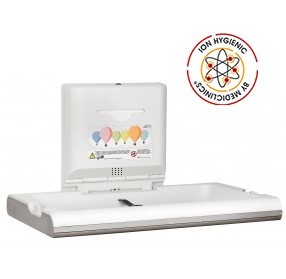
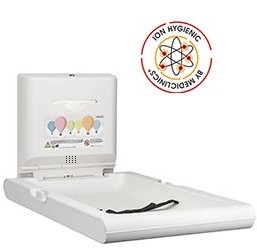
These fixtures demonstrate inclusivity and help avoid compliance gaps, this is where Saniflow has you covered with our Babymedi baby chanigng station. Available in stainless steel and polypropylene, with the option to do horizontal or vertical, as well as recessed.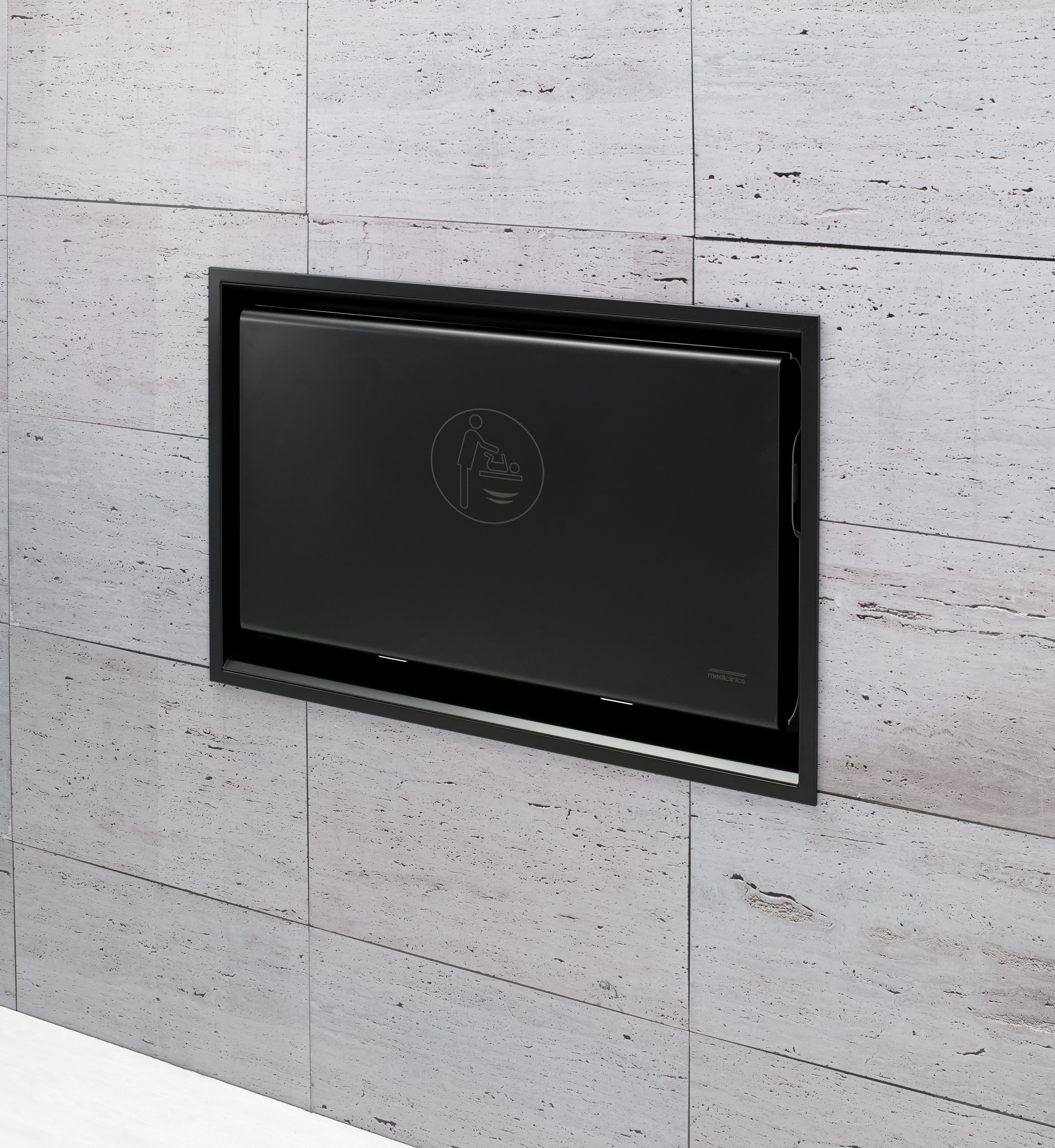
5) Fixture Condition, Durability & Safety
Inspectors assess whether restroom fixtures are safe, secure, and suitable for high-traffic use.
What inspectors check
- Loose or damaged fixtures
- Sharp edges or exposed hardware
- Signs of corrosion or vandalism
How to prepare
- Use durable, commercial-grade restroom products
- Replace residential or worn fixtures
- Schedule preventive maintenance inspections
Well-maintained fixtures signal that a facility is actively managed—not neglected.
6) Documentation & Preventive Maintenance
While inspectors focus on physical conditions, maintenance practices also matter.
What inspectors check
- Consistency of cleanliness
- Evidence of proactive maintenance
- Compliance with posted requirements
How to prepare
- Create a restroom inspection checklist
- Log routine maintenance and fixture replacements
- Address small issues before they escalate
Prepared facilities rarely fail inspections due to avoidable issues.
Preparing Restrooms for Inspection Starts With Smart Planning
Commercial restroom inspections don’t need to be disruptive or expensive. Facilities that plan ahead—especially during Q1 budgeting—are far better positioned to pass inspections and avoid last-minute upgrades.
Manufacturers like Saniflow Corp. support inspection readiness by offering durable, touchless, LEED-point contributing, and ADA-conscious restroom solutions designed specifically for commercial environments.