Sustainability with Saniflow: How Our Hand Dryers Support Corporate ESG Goals

Sustainability is no longer a luxury in commercial facilities—it’s a measurable business priority. As organizations commit to Environmental, Social, and Governance (ESG) goals, every operational decision matters, including how restrooms are designed and maintained.
One of the most impactful—and often overlooked—upgrades facilities can make is transitioning from paper towels to high-efficiency hand dryers. This single change can support ESG initiatives, reduce operating costs, and improve user experience across commercial environments.
Understanding ESG in Facility Operations
ESG frameworks help organizations evaluate performance beyond profit, focusing on long-term environmental responsibility, social impact, and governance standards.For facility managers and building owners, ESG often translates into:
- Lower environmental footprint
- Safer, more inclusive spaces
- Documented, compliant operations
Restrooms play a surprisingly significant role in all three areas.
Environmental Impact: Reducing Waste and Resource Consumption
Paper towels generate continuous waste, require frequent restocking, and contribute to deforestation, water usage, and transportation emissions. Even recycled paper towels require energy and resources to produce and dispose of.
How hand dryers support environmental goals
· Eliminate paper towel waste entirely
· Reduce landfill contributions
· Lower water and energy use associated with paper production
· Support waste-reduction and sustainability reporting
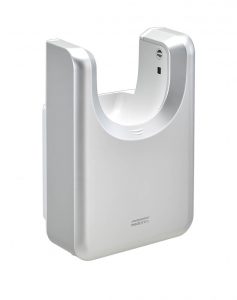
Modern hand dryers are designed to be energy-efficient, using significantly less power than older models and offering adjustable settings to further reduce consumption.
Carbon Footprint: Supporting Emissions Reduction Targets
Many organizations now track Scope 1, 2, and 3 emissions. Paper towels contribute to Scope 3 emissions through manufacturing, packaging, transportation, and disposal.
Saniflow Corp.’s hand dryers help reduce:
- Transportation-related emissions from paper deliveries
- Manufacturing emissions tied to consumables
- Waste management emissions
Over time, switching to hand dryers can meaningfully support corporate carbon-reduction commitments—especially in multi-site or high-traffic facilities.
Social Impact: Health, Hygiene, and Inclusivity
The “S” in ESG focuses on people—employees, visitors, and communities.
Hand dryers contribute by:
- Supporting touchless operation and improved hygiene
- Reducing clutter and slip hazards from paper towel waste
- Creating cleaner, more user-friendly restroom environments
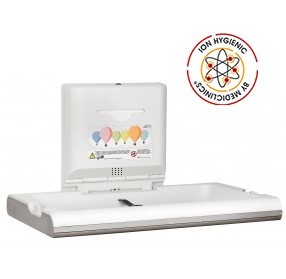
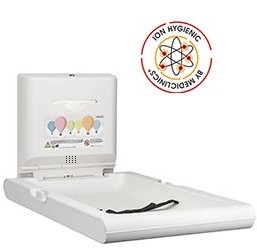
When paired with ADA-compliant fixtures and baby changing stations, facilities demonstrate a commitment to accessibility, safety, and inclusivity—key components of social responsibility.

Governance & Compliance: Standardization and Accountability
Governance includes transparency, compliance, and responsible decision-making. From a facilities perspective, this means choosing solutions that are:
- Durable and reliable
- Easy to maintain and document
- Aligned with building codes and sustainability policies
Hand dryers simplify operations by reducing reliance on consumables and minimizing maintenance variability across locations. This makes it easier to standardize restroom design, track sustainability improvements, and support internal audits or ESG reporting.
Financial Sustainability: ESG That Also Delivers ROI
Sustainability initiatives must often justify themselves financially. Hand dryers do exactly that.
Key financial benefits
- Eliminate ongoing paper towel purchasing
- Reduce janitorial labor and waste handling
- Lower long-term maintenance costs
These savings allow sustainability upgrades to pay for themselves, aligning environmental responsibility with sound financial governance.
Why Facilities Are Upgrading Now
Organizations are under increasing pressure from:
- Investors and stakeholders
- Employees and tenants
- Regulatory bodies and inspection agencies
As a result, facility upgrades that support ESG goals—without requiring major renovations—are being prioritized.
Manufacturers like Saniflow Corp. design hand dryers specifically for commercial environments, focusing on:
- Energy efficiency
- Long product lifespans
- Touchless hygiene
- Low operating costs
These features make hand dryers a practical ESG solution—not just a symbolic one.
Final Takeaway: Small Upgrades, Measurable Impact
Sustainability doesn’t always require large capital projects. In many cases, the most effective ESG improvements are simple, scalable, and measurable.
Upgrading to high-efficiency hand dryers helps organizations:
- Reduce waste and emissions
- Improve hygiene and user experience
- Support compliance and governance goals
- Achieve real, trackable cost savings
For facilities looking to align operations with ESG commitments, restrooms are an ideal place to start.